
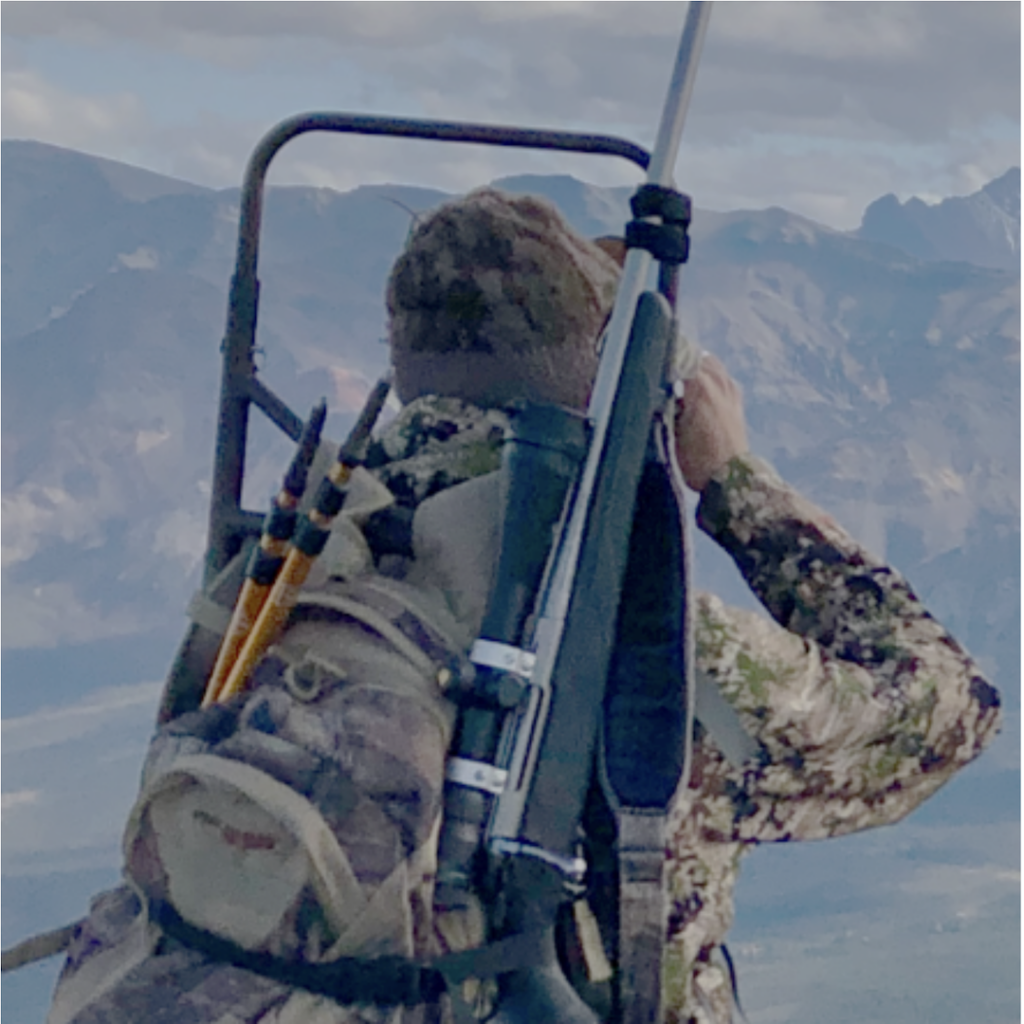
Chickaloon resident Ron Clarke leads a grassroots program to get hunters to switch to copper bullets. The program gives Alaska hunters gift cards for switching from lead to copper ammunition.
The Alaska Copper Ammo Challenge aims to protect scavengers, including bald and golden eagles, from lead poisoning. The birds swallow bullet fragments when they feed on carcasses and gut piles left by hunters.
Hunters can get rebates of up to $80 when they buy copper rifle ammunition, or up to $50 for copper bullets they use to reload.
Clarke is a falconer and former Assistant Director of the Alaska Department of Fish and Game Wildlife Conservation Division. He says birds of prey are part of the whole system and worthy of concern and protection.
Getting the rebate is easy. Hunters need an active Alaska hunting license and an Alaska mailing address. They upload a photo of their receipt to akcopperchallenge.com.
Conservation Science Global administers the rebates. They come as Visa gift cards. The funds come from the federal Pittman-Robertson program. It collects an excise tax on sales of firearms, ammunition, and archery equipment. The program takes money hunters spent on ammunition and gives it back to them.
The program has handed out more than 1,500 rebates. The Alaska chapter of Backcountry Hunters & Anglers, the Alaska Falconers Association, the Alaska Department of Fish and Game, and the North American Lead-Free Partnership help.
Clarke says the goal isn’t to change the rules or ban anything. Once hunters try copper, they don’t go back to lead. They like how copper ammo performs.
Travis Booms is a raptor biologist with the Alaska Department of Fish and Game Threatened, Endangered, and Diversity Program. He works with Clarke to promote the challenge.
Booms grew up hunting with lead ammunition. He worked on a nationwide golden eagle study. He says one of its takeaways was that half of all eagles in the U.S. are chronically exposed to lead.
Lead bullets are designed to break apart on impact. They leave behind small fragments, called petals, and dust.
Booms says, “Based on quite a bit of research, it’s pretty conclusive that eagles are getting lead from gut piles in hunter-harvested remains that used lead bullets.”
He co-authored a paper on the findings. It was published in the journal Science in 2022. He says studies that tracked lead in scavengers’ blood throughout the year found that levels spike during hunting season.
Eagle stomachs are so acidic that lead dissolves quickly. Research shows blood lead levels above six-tenths of a part per million can kill a golden eagle. Booms notes that two specimens in his study had lethal levels of lead.
Booms finds it rewarding to have evidence of how lead bullets affect scavengers, and to work alongside hunters to make a difference.
He says using copper ammunition extends a basic rule of hunter education: know your target and what’s beyond it.
Booms says, “When you pull the trigger, you are 100% responsible for what the bullet does. And it’s not only the day of the hunt, but what that bullet does after you leave its remnants in the field.”
Kyle Wilkinson reported the original story for matsusentinel.com. Emily Forstner condensed and revised it for Page Two and yours truly, Lee Henrikson produced it.
If you have an idea for a Page 2 topic, please email us at page2@radiofreepalmer.org.
Our fall fund drive is next week. We can make our $10,000 goal with a little help from our friends. That’s you. Please help get us started. Go to bigcabbageradio.org and click on the donate button. Thank you!
Page 2 airs weekdays at 7 a.m., 9 a.m., 11:50 a.m., and 6 p.m.
Tune in at 89.7 in Palmer, 89.5 in Sutton, 88.3 in Chickaloon and Glacier View or online at bigcabbageradio.org.
Please support Page 2 News and Big Cabbage Radio. Become a member: Donate today at bigcabbageradio.org.
That’s it for today and the news on Page Two on Friday, October 30, 2026.
Photo from akcopperchallenge.com .